Steve Jobs' $399 iPod Marked 25 Years of Portable Music
A quarter-century after its launch, the original iPod remains a landmark moment in consumer technology history.
By Fatima Zayed ·
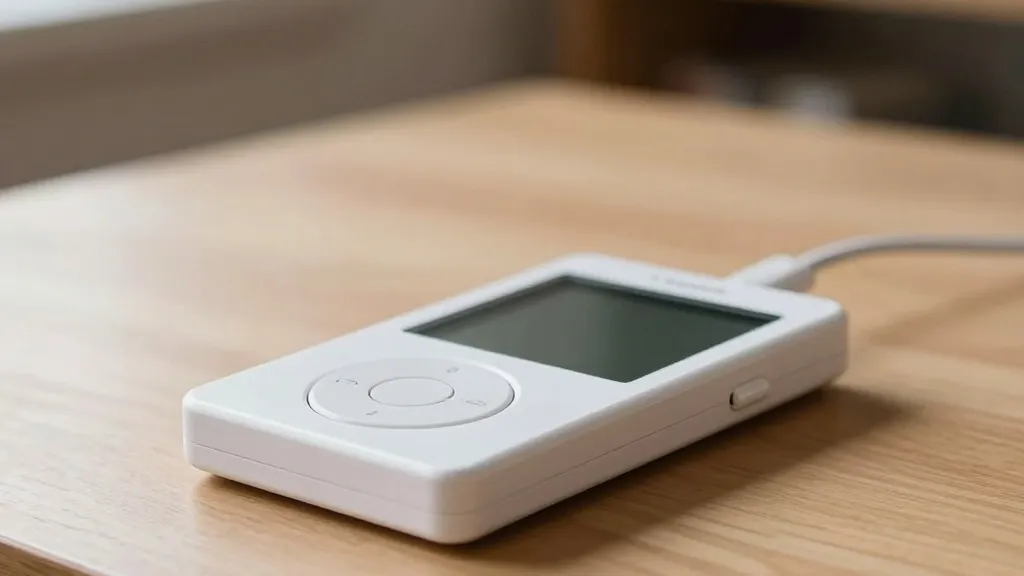
One thousand songs. That was the headline feature of the device Steve Jobs unveiled twenty-five years ago today. In October 2001, the Apple CEO introduced the original iPod to the world. It was priced at $399. The device promised to hold an entire music library in a user's pocket. This was a bold claim at the time. The iPod became a cultural phenomenon. It defined personal entertainment for many gadget fans before smartphones made dedicated music players obsolete.
Apple was in a strong position when the product launched. Jobs had recently guided the company into the Mac OS X era. The iMac and iBook were already successful products. This came during a difficult period for the tech industry, shortly after the dot-com bubble burst. Jobs believed the Mac would become the center of a user's digital life. It would act as a hub for cameras, camcorders, and portable players. He saw a massive market for music that lacked a clear leader.
Competitors already existed in the space. Companies like Sony, Creative, and Sonic Blue had portable digital music players. Jobs acknowledged this but argued that none had found the right recipe for digital music. There were four main types of players available then: CD players, MP3 CD players, flash players, and hard disk-based jukeboxes. Jobs chose the hard disk option for Apple's entry. The new device offered CD-quality sound and played popular formats like MP3, WAV, and AIFF. Its 5GB storage capacity was the key selling point.
The physical design was a major breakthrough. The device was the size of a deck of cards. It measured 2.4 by 4 by 0.78 inches. It weighed just 6.5 ounces, which was lighter than most cell phones of that era. This compact size was possible due to a new ultra-thin hard drive from Toshiba. The drive was 1.8 inches in diameter and only 0.2 inches thick. This engineering allowed Apple to create a portable device that did not feel bulky.
Speed was another critical feature. The iPod used a FireWire 400 cable for charging and data transfer. Jobs claimed it was the first and only music player with this connection. Transferring a full CD of songs took five to ten seconds. In contrast, USB connections of the time took about five minutes for the same task. Filling the entire device with 1,000 songs took only ten minutes via FireWire. A USB player would have taken five hours for the same amount of data. The device also included a rechargeable lithium-polymer battery that offered ten hours of playback.
The user experience focused on simplicity. Jobs highlighted the minimal design and durability of the casing. The controls were designed for one-hand use. A scroll wheel with a piezoelectric clicker provided tactile feedback. This allowed users to quickly find music by playlist, artist, or song. During the launch presentation, the first song demoed was 'Building a Mystery' by Sarah MacLachlan. The device also offered advanced features like 20-minute skip protection.
The launch included the release of iTunes 2. This software allowed users to burn MP3 CDs and sync their libraries. The Auto-Sync feature ensured that any changes made on the Mac were reflected on the iPod. The device could also function as a FireWire hard drive. The iPod line continued for many years. The final model, the 7th-generation iPod Touch, was released in May 2019. The product line was officially discontinued in May 2022.
Source: Tom's Hardware