Tesla delays driverless car promise to 2027, limiting use to specific zones
Tesla has set a new target for unsupervised driving in Q2 2027, but the feature will only work within its existing robotaxi service areas.
By Ji-eun Choi ·
Tesla has officially set a new target for unsupervised Full Self-Driving (FSD) in customer-owned vehicles, with the capability now scheduled for arrival in the second quarter of 2027. This date was revealed during the company's Q3 2026 earnings call, marking the latest shift in a timeline that has been adjusted repeatedly over the past decade. While the announcement provides a specific window for release, the scope of the feature is significantly narrower than what many early adopters may have anticipated.
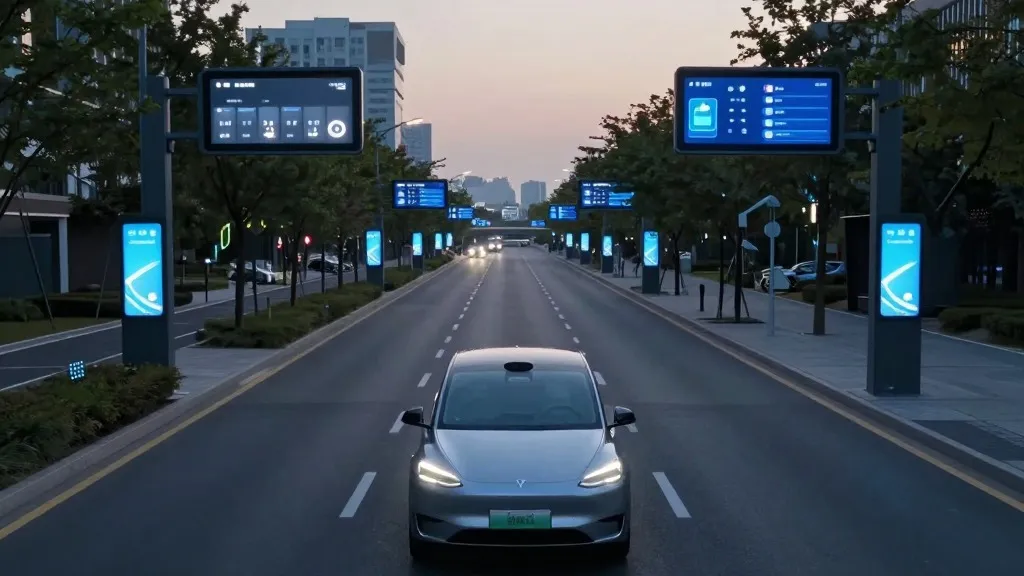
The primary distinction in this update lies in how the technology functions. According to Ashok Elluswamy, Tesla’s AI chief, the system will not simply allow owners to use their vehicles for any destination they choose. Instead, the initial rollout involves owners adding their personal vehicles to Tesla’s managed robotaxi fleet. This means the car will only drive itself autonomously within the specific geographic areas where Tesla’s robotaxi service is already operational.
This clarification addresses a top question from retail shareholders, which was backed by approximately 1.1 million shares. The inquiry asked when FSD unsupervised would be available in customer cars. Elluswamy’s response indicated that the first step is not a standalone software update for general personal use, but rather an integration into the company’s existing operational network. Consequently, an owner’s car would be restricted to the same zones where Tesla’s own robotaxi operates.
Currently, Tesla’s robotaxi service is active in six US metropolitan areas, but the service areas cover only small slices of these cities. For example, the Miami zone primarily covers West Miami and a strip extending toward Doral and Sweetwater. Similarly, Orlando and Tampa launched with small geofenced areas in July. Within these zones, the service generally follows low-speed routes, avoids highways, and steers clear of more complex driving environments.
In the Bay Area, the service is not yet fully unsupervised due to California regulations. Tesla currently requires a safety driver in every car in this region because it has not yet released the necessary data to the California DMV, a requirement for systems operating beyond level 2 autonomy. Additionally, the fleet size remains modest. Tesla reported that its robotaxi service reached nearly 2 million cumulative unsupervised miles by the end of Q3, a month after the Cybercab joined the Austin fleet. Third-party tracking suggests that the number of fully driverless Teslas on the road is still in the dozens.
This approach contrasts with the original marketing pitch for FSD, which promised a car that would eventually drive itself anywhere via a software update. In July 2025, Elon Musk stated that unsupervised FSD would be available for personal use in certain geographies by the end of that year. A year prior, he had expressed surprise if the technology was not available the following year. However, owners of vehicles with Hardware 3 have been informed that their computers cannot run unsupervised FSD, with no clear upgrade path provided.
The current target for Q2 2027 represents a shift toward a more controlled rollout, where the car joins Tesla’s fleet under Tesla’s terms. Elluswamy reiterated that safety remains the primary bottleneck, which is why the system is currently limited to low-speed roads and simpler environments. He indicated that these safety issues are expected to be resolved by next year, though he acknowledged that the timeline is an estimate.
For prospective buyers, the move signals a cautious approach to expanding autonomous capabilities. While the technology is progressing, the immediate benefit for owners will be limited to specific, controlled zones rather than a universal driving capability. The company’s focus remains on refining safety within its existing service areas before expanding the reach of the unsupervised system to a broader range of locations and use cases.
Source: Electrek