Tesla Sets Year-End Target for First Customer Cybercab Deliveries
While private buyers must wait for a limited rollout, the majority of these steering-wheel-free vehicles will remain part of Tesla's internal robotaxi fleet.
By Jian Chen ·
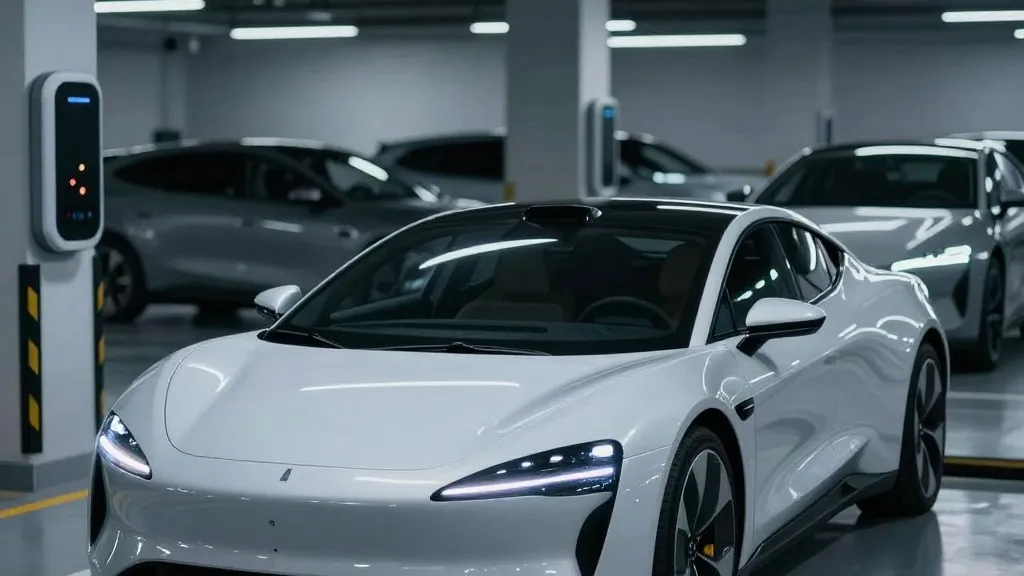
If you have been watching the automotive landscape closely, you likely know that the wait for a driverless ride in a Tesla has entered its final phase. Starting late this year, a small number of private customers will finally have the opportunity to take delivery of the Cybercab, the company's purpose-built, two-seater robotaxi. This marks a concrete shift from speculation to action, giving ordinary consumers a tangible timeline for when they might interact with the vehicle, whether as a rider in the service or, for the first time, as a direct owner.
During Tesla’s third-quarter 2026 earnings call held on October 21, the company provided the definitive answer to questions regarding the availability of its autonomous vehicles. Lars Moravy, Vice President of Engineering, stated that the goal is to begin handing these units over to customers before the calendar year ends. This announcement closes a long period of uncertainty about whether the fully autonomous model would be accessible to the general public in the near future.
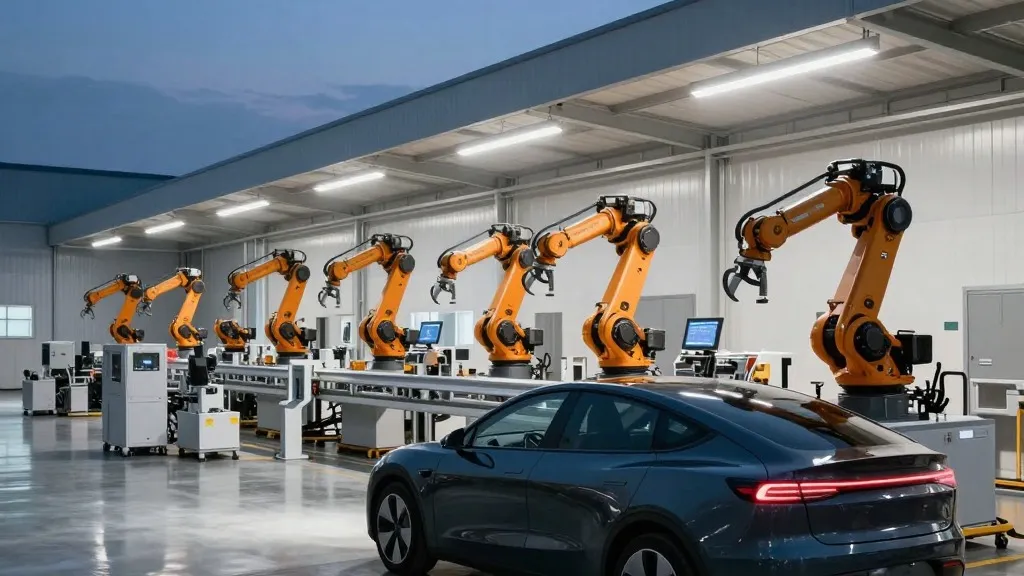
However, it is important to understand that these initial deliveries will not be a mass market launch. Moravy clarified that while production is currently active on the line at Gigafactory Texas, every unit rolling off that assembly line is currently being assigned to Tesla’s own internal Robotaxi fleet. This means that for the immediate future, the vast majority of Cybercabs will not be in private garages but rather operating within the company’s service network.
CEO Elon Musk reinforced this operational strategy, describing the Cybercab primarily as a "transport-as-a-service" offering rather than a traditional personal car. He noted that the bulk of the vehicles will remain Tesla-owned, distinguishing them from consumer staples like the Model 3, Model Y, or the upcoming Roadster. The intent is to keep the vehicles in a managed environment where Tesla can directly oversee their performance and maintenance.
The rationale behind this cautious approach is logistical. Moravy explained that as operations scale, Tesla intends to deliver fully designed autonomous vehicles to customers, with the Cybercab being the first in that line. However, the initial private sales will start small. This allows the company to gain critical experience in areas such as delivery logistics, ownership models, and fleet management. Specifically, Tesla needs to learn how to operate autonomous vehicles that are no longer under its direct, immediate control.
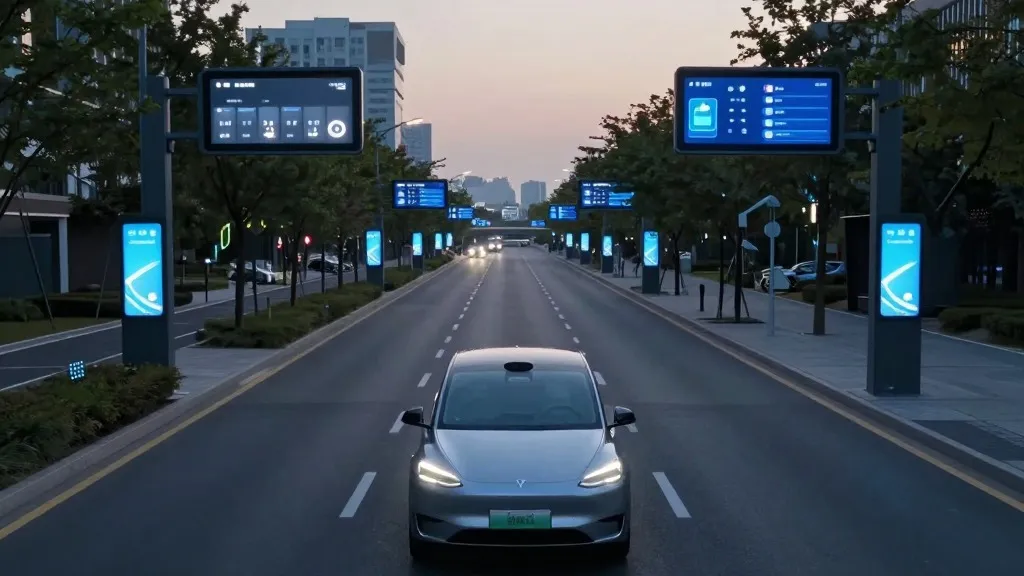
The vehicle itself is a radical departure from traditional automotive design. The Cybercab is a two-seater that features no steering wheel and no pedals, relying entirely on Tesla’s Full Self-Driving software suite. Production on the model began in February of this year. By early September, the first units were integrated into the public-facing Robotaxi service, allowing the general public to book rides in these driverless cars.
For those hoping to buy one, the price point has been previously indicated at approximately $30,000. This pricing strategy positions the vehicle as an affordable entry point into autonomous mobility, though the limited nature of the initial private sales suggests that availability will be tight for the remainder of 2026.
There are still technical and regulatory hurdles to clear. Ashok Elluswamy, Tesla’s Head of AI, indicated during the call that unsupervised Full Self-Driving is expected to ship to consumer cars during the second quarter of 2027. Until then, early buyers or fleet operators may receive vehicles whose autonomous capabilities are geographically restricted. This limitation is often due to lagging regulatory agencies that have not yet finalized the rules for broader autonomous operation.
As Tesla moves toward this year-end deadline, the focus remains on balancing the excitement of private ownership with the practical realities of managing a large-scale autonomous fleet. For now, most Cybercabs will remain in the hands of the company, ensuring that the technology is proven in the field before it is handed over to individual customers.
Source: Teslarati