Trump Orders AI Firms to Share Energy Profits With Local Communities
The President has proposed a new requirement for data center developers to return excess power and financial benefits to nearby residents to ease tensions over rising utility costs.
By Valentina Cruz ·
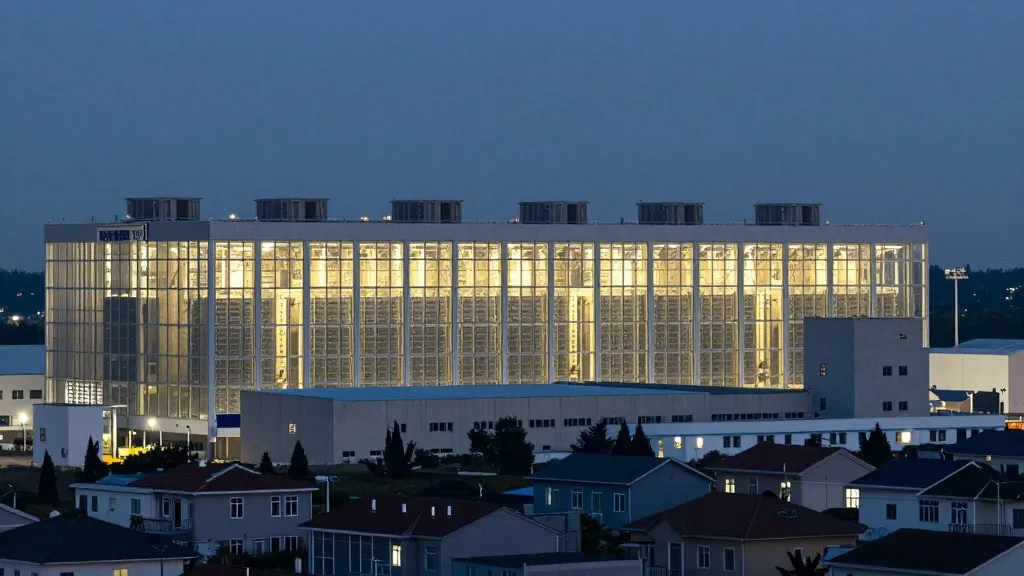
A new friction point has emerged between the rapidly expanding artificial intelligence industry and the small towns hosting its massive infrastructure. President Donald Trump has issued a directive calling for data center builders and major hyperscaler companies to provide a financial dividend to local communities. The goal is to offset or even reduce the electricity price hikes that have become a primary source of conflict in areas where these facilities are being constructed.
In a post on Truth Social, the President outlined the administration's stance on the issue. He stated that data centers would not only be required to generate their own electricity, a rule previously established by the administration, but also to return or sell excess energy back to the local grid. This move is designed to make the presence of these large-scale facilities more acceptable to residents who have grown frustrated with the impact of the technology boom.
The push for these changes comes as local communities across the United States increasingly protest the arrival of AI data centers. Residents frequently cite the outsized burden these facilities place on local resources. Common complaints include rising electricity bills, persistent noise pollution, water shortages, and air pollution. In some cases, deforestation has also been a significant concern for small communities that feel their quality of life is being compromised by corporate expansion.
The Trump Administration is eager to maintain the United States' lead in the global AI race, particularly against China. To win back favor with local populations, the administration is looking for ways to ensure that the companies benefiting from these locations give something back. The specific mechanism for this dividend is still under consideration, but given the focus on electricity, it may involve partially covering the rising energy costs that directly affect homes near the data centers.
This directive builds on a recently passed act that requires data centers to pay for necessary grid upgrades. By forcing companies to shoulder these costs, the administration aims to prevent local tax burdens from increasing. The excess electricity generated by data centers could further lower utility costs for locals, creating a tangible benefit for the surrounding area.
Trump emphasized the economic incentive for developers in his social media post. He noted that data centers, which were often unpopular in specific areas, have become extremely popular once a financial deal was struck. "MAKE DEALS, and get them built!!!" the President wrote, urging swift action to secure these facilities.
However, it remains uncertain whether financial dividends alone will be sufficient to win over skeptical communities. While rising energy costs are a major pain point, they are only one facet of a broader set of environmental and logistical challenges. Issues such as enormous water consumption, ecological damage, and pollution remain significant hurdles that make AI data centers a difficult sell in many locations.
The practical implementation of this mandate will be closely watched by industry analysts and local officials alike. The administration's strategy relies on the assumption that sharing the economic burden will smooth over the social and environmental frictions. As the AI arms race continues, the relationship between tech giants and the communities that host them will likely remain a central topic of debate.
Source: Tom's Hardware